What furnace repair costs, part by part.
Most furnace repairs are cheaper than people fear. Here is what each common failure actually costs to fix, and the point where replacing starts to make more sense.
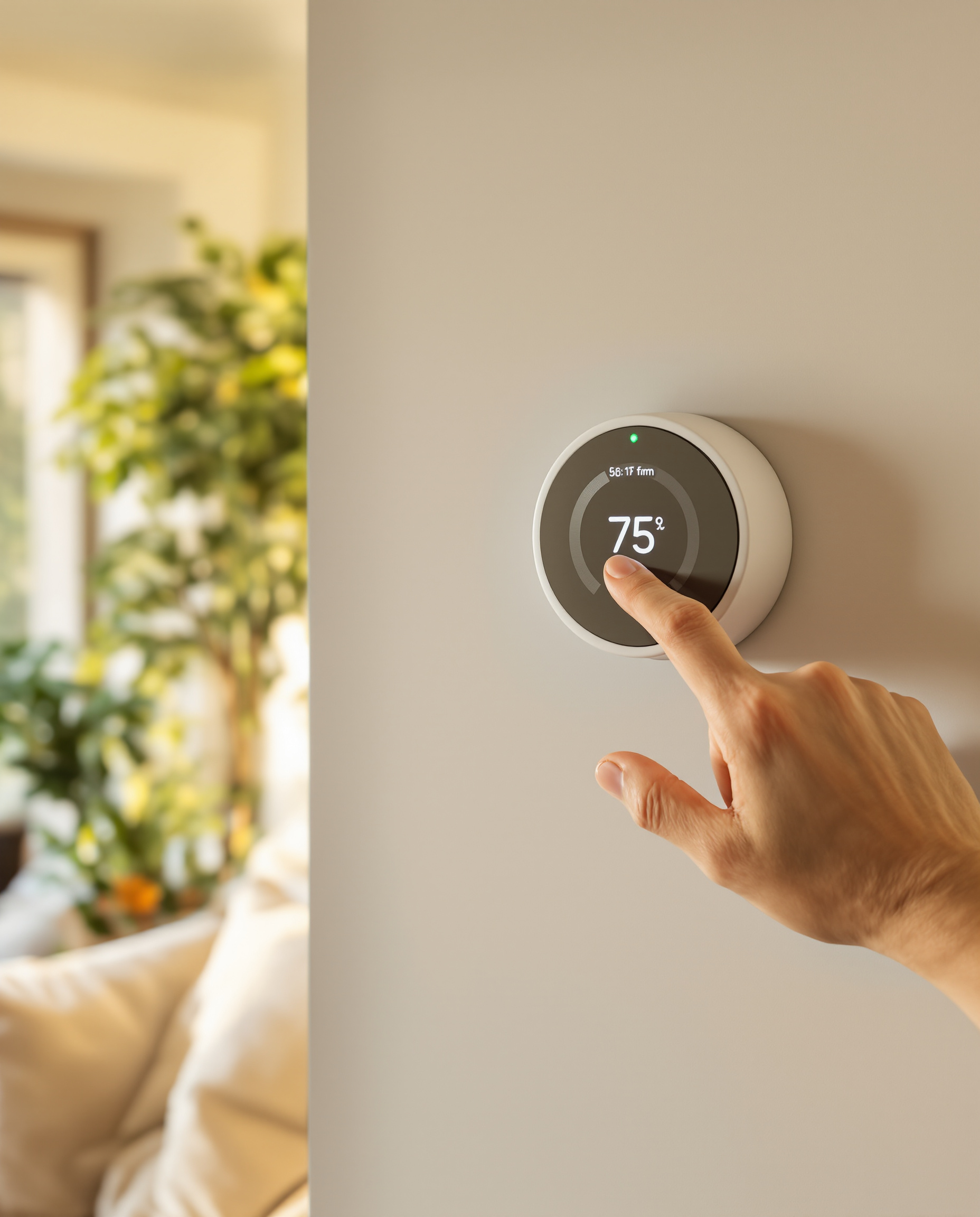
What drives the price of a furnace repair.
Two things set the bill: which part failed, and when you call. Everything else is noise.
- The service call itself. Most companies charge $79–$169 just to come out and diagnose — and many apply it to the repair if you go ahead.
- Cheap fixes are genuinely cheap. An igniter or flame sensor is often under $250 all in.
- The expensive ones are the heat exchanger and control board. These are where repair-vs-replace math starts to matter.
- Emergency and overnight rates are higher. Same fault, more money, simply because of the hour.
The parts that fail, and what each one costs.
Flame sensor — roughly $80–$250. This is the single most common furnace fault and the cheapest real repair. The sensor is a thin metal rod that confirms a flame is actually present; when it gets coated in residue, the furnace lights and then shuts down after a few seconds as a safety measure. Cleaning or swapping it is quick work, and it is also the classic cause of a furnace that keeps short-cycling — starting, running briefly, then giving up and retrying. It is also the leading cause of a furnace that blows cold air — the burner lights, the sensor fails to confirm the flame, the gas shuts off, and the blower keeps pushing unheated air until the next attempt.
Igniter — roughly $150–$350. The igniter glows hot to light the gas, and it wears out on a predictable schedule — usually every 4–7 years. A furnace that hums and tries but never lights is very often this. The part itself is inexpensive; most of the cost is the visit. If the furnace is completely dead rather than just misfiring, our furnace not turning on guide covers the free checks — thermostat, breaker, power switch, furnace door — worth working through before a service call is booked.
Capacitor or relay — roughly $150–$400. Small electrical components that start and run the blower. They fail suddenly and without warning, which is why a furnace can be fine one day and dead the next.
Blower motor — roughly $400–$900. If air isn't moving even though the burners light, the blower is the usual suspect. Variable-speed motors sit at the top of that range.
Control board — roughly $400–$900. The furnace's brain. When it fails you often get erratic behaviour, blinking error codes, or a system that ignores the thermostat entirely.
Heat exchanger — roughly $1,000–$2,500, and the decision point. This is the metal chamber separating combustion gases from the air you breathe. A cracked one can leak carbon monoxide, so a technician will red-tag and shut down the furnace rather than leave it running. On a furnace over about 12 years old, this repair usually costs enough that replacement is the better use of the money — especially since a crack often signals the rest of the unit is equally tired.
The rule of thumb that actually works. Multiply the repair quote by the age of the furnace in years. If the result comfortably exceeds the price of a new system, replace it. Under that, repair. A modest repair on a nine-year-old furnace is easy math; a major one on an eighteen-year-old furnace almost never is — the new-furnace price guide breaks down what actually moves the number so you can run the comparison against your own quote fairly.
The same fault-by-fault approach applies to the cooling side, with a different parts list and a different failure calendar — our Spokane AC repair page covers what each common air-conditioner fault typically costs to fix and which ones are the cheap ones to catch first. And if your home heats with a heat pump rather than a gas furnace — increasingly common in newer Spokane builds — the parts list changes again, with reversing valves, defrost boards and outdoor fans doing most of the failing; our Spokane heat pump repair page covers what each of those typically costs to fix.
Labor rates and permit fees also vary across Spokane County — what a job costs in Cheney or Mead can differ from rates closer to the city center. The Spokane County service areas page notes the differences by town.
Broken to comfortable
in three steps.
Tell us what’s wrong
Answer a few quick questions — under a minute, all online.
Get matched fast
You’re connected with an available, licensed local HVAC pro.
Fixed & comfortable
Get an upfront quote and a same-day repair whenever possible.
Furnace repair costs at a glance.
Ballpark ranges to help you plan — not a quote. Your matched pro confirms an exact, upfront price before any work begins.
Questions homeowners ask.
Why is there a fee just to look at it?+
Diagnosing a furnace properly takes a licensed technician time and test equipment. Most companies charge $79–$169 for that visit and many apply it to the repair if you go ahead. You should always be told the fee before anyone is dispatched.
Is it cheaper to repair or replace a furnace?+
Multiply the repair quote by the furnace's age in years. If that number exceeds the cost of a new system, replace. Repairs under about a third of replacement cost on a furnace younger than 15 years are usually worth doing. When replacement wins the math, the furnace installation page explains what the process looks like and what to get in writing before work begins.
Why do emergency call-outs cost more?+
Nights, weekends and holidays carry a premium because the technician is on overtime. If the house is safe and warm enough to wait until morning, booking a normal-hours visit costs less for the identical repair. Our 24/7 emergency HVAC page covers what counts as a real after-hours call and what can safely wait for morning.
Should I get a second opinion on a big furnace repair?+
On anything past a few hundred dollars, yes — and any honest technician will say the same. A second diagnostic fee is a small price for confirming the actual failure and a fair range for the fix. Ask the second visit to diagnose blind rather than reviewing the first quote, so both readings are genuinely independent. Two matching diagnoses let you book with confidence; two different ones tell you exactly which questions to ask before any money changes hands. The one place a second opinion is almost never worth waiting for is a red-tagged furnace — a cracked heat exchanger or a live gas leak — because the safety risk outweighs the savings of a second visit.
Can I get this looked at in the Spokane area?+
Yes — answer a few quick questions and your details go to a local HVAC company serving the Spokane area, who will give you a price before any work begins. Ask them for their license number and check it free at Washington L&I; we pass on the job, we don’t vet the paperwork.
Explore by service & area.
Common problems & costs.
Ready for a quote?
Answer a few quick questions and get matched with a licensed Spokane pro.
Start my free quote →