Furnace not turning on? Start with these.
A furnace that is completely dead is often something small and free to fix. Work through these in order — several take under a minute and need no tools.
Work through these in order.
They are arranged cheapest and easiest first, which is also roughly the order of how often each one turns out to be the culprit.
- Nothing at all happens when you raise the thermostat — no click, no fan, no sound.
- The furnace hums or clicks but never lights.
- It ran fine yesterday and is dead this morning.
- The breaker keeps tripping whenever the furnace tries to start.
Eight checks before you call anyone.
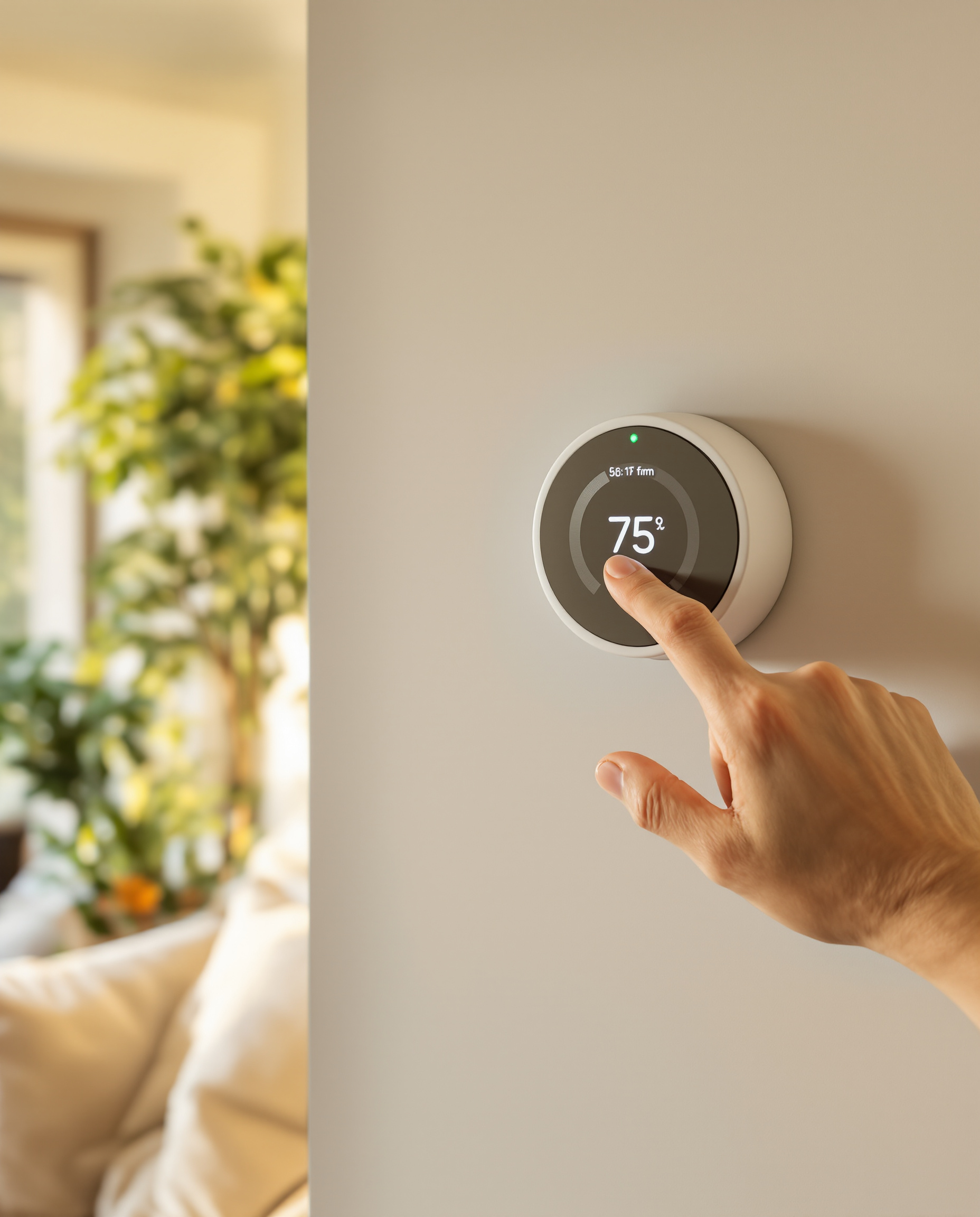
1. Check the thermostat properly. Confirm it is set to HEAT, not COOL or OFF, and that the target temperature is at least five degrees above the current room reading — a furnace will not fire for a one-degree difference. If the screen is blank, replace the batteries. This is a genuinely common cause and costs nothing to rule out.
2. Check the breaker. Find the furnace breaker in your electrical panel. If it has tripped, switch it fully OFF and then back ON — a half-tripped breaker looks normal but passes no power. If it trips again immediately, stop and call a professional; something is drawing a fault and repeatedly resetting it is a fire risk.
3. Check the furnace power switch. Most furnaces have a switch that looks exactly like an ordinary light switch, mounted on or beside the unit. It gets flipped off by accident during cleaning, laundry or basement work more often than anyone expects.
4. Check the furnace door panel. There is a safety interlock behind the front panel that cuts all power when the door is off. If the panel was removed for a filter change and not seated firmly, the furnace will be completely dead by design. Push it until it clicks.
5. Check the filter. A filter thick with dust chokes airflow, which overheats the furnace and trips a safety limit switch that shuts everything down. If the filter is grey and matted, replace it and give the unit half an hour to cool before retrying.
6. Check the gas supply. Make sure the gas valve at the furnace is open (the handle should run parallel to the pipe, not across it) and confirm other gas appliances still work. If your stove is also dead, the problem is the gas supply, not the furnace.
7. Check the condensate drain. High-efficiency furnaces produce water, and most have a float switch that shuts the furnace off if the drain clogs and the pan fills. A blocked drain or a full pan is a very common winter no-start on newer units.
8. Read the blinking light. Most furnaces have a small LED behind a viewing window that blinks a diagnostic code, with a legend printed inside the door panel. Counting the blinks and reading the legend tells you — and any technician you call — exactly which safety tripped, which shortens the visit and lowers the bill.
When to stop and call someone. If you smell gas, leave the house first and call your gas utility from outside. If the breaker trips repeatedly, if you see scorching, or if the furnace lights and then shuts off again and again, those are faults that need a licensed technician rather than another reset.
When the eight checks still leave you cold overnight. If none of the above brings the heat back and the house is dropping in freezing weather — especially with young children, elderly, or unwell people at home — that is exactly what 24/7 emergency HVAC dispatch is for rather than waiting for a morning appointment. And if the failure keeps returning after each fix on a furnace fifteen years old or more, it is worth weighing the next repair against a replacement — the new-furnace price guide breaks down what actually moves the number, and what a code-correct install involves covers the sizing and venting work that separates a proper job from the cheapest quote.
Broken to comfortable
in three steps.
Tell us what’s wrong
Answer a few quick questions — under a minute, all online.
Get matched fast
You’re connected with an available, licensed local HVAC pro.
Fixed & comfortable
Get an upfront quote and a same-day repair whenever possible.
Questions homeowners ask.
Why would my furnace suddenly stop working overnight?+
The most common overnight causes are a tripped safety limit from a clogged filter, a blocked condensate drain on a high-efficiency unit, or a failed igniter — igniters tend to give out when the furnace is cycling hardest, which is the coldest part of the night.
Is it safe to keep resetting the breaker?+
No. A breaker that trips once may be a fluke, but one that trips repeatedly is doing its job — something is faulting. Repeatedly resetting it risks overheating wiring. Leave it off and get it diagnosed.
What does a blinking light on my furnace mean?+
It is a diagnostic code. The legend is usually printed on the inside of the furnace door panel — count the blink pattern and match it. It will point at the specific safety or component that failed, which makes any service call faster and cheaper.
Can I get this looked at in the Spokane area?+
Yes — answer a few quick questions and your details go to a local HVAC company serving the Spokane area, who will give you a price before any work begins. Ask them for their license number and check it free at Washington L&I; we pass on the job, we don’t vet the paperwork.
Explore by service & area.
Common problems & costs.
Ready for a quote?
Answer a few quick questions and get matched with a licensed Spokane pro.
Start my free quote →